Advancing Your Labrador's Obedience Skills

Posted on: 2025-11-17
By: Clara Hastings
Did you know that advanced obedience training can transform not just your dog's behavior but also your relationship with them? Let's explore the essential steps to elevate your Labrador's training experience!
What You Will Learn
- The importance of transitioning from basic to advanced obedience training for a more enriched life for your Labrador.
- Essential commands like "sit," "stay," and "come" are foundational for successful advanced training.
- Setting age-appropriate goals enhances training effectiveness and keeps sessions engaging.
- Incorporating distraction training and socialization is key to improving your Lab's behavior in diverse environments.
- Consistency in training routines fosters effective learning and strengthens the human-dog bond.
Labrador Obedience Training Milestones
Here's a visual guide to the key age-appropriate milestones for basic obedience training, ensuring a strong foundation for advanced skills.
3-4 Months: Early Foundation
Focus: Begin teaching fundamental commands.
- "Sit" command
- "Stay" command
Develops self-control and initial understanding.
4-5 Months: Introducing Recall
Focus: Introduce crucial safety command.
- "Come" (short distances)
- Continue "Sit" & "Stay"
Essential for preventing dangerous situations.
5-6 Months: Environmental Reinforcement
Focus: Practice commands in varied settings.
- "Sit," "Stay," "Come" in new places
- Increase distraction levels
Strengthens obedience and builds confidence.
Beyond 6 Months: Advanced Prep
Focus: Prepare for complex skills and socialization.
- Introduce longer "Stays"
- Begin basic socialization
Lays groundwork for advanced obedience training.
Understanding the Transition from Basic to Advanced Obedience Training for Your Labrador
As a passionate Labrador enthusiast, I can tell you that transitioning to advanced obedience training is a game changer for both you and your furry friend. Advanced training not only enriches your Lab's life but also strengthens the bond you share. Imagine a dog that not only listens to basic commands but also responds to cues in various environments, enhancing your outings and experiences together! For more on getting started with advanced training, the American Kennel Club (AKC) offers excellent resources.
By investing time and effort into advanced obedience training, you set the stage for a more enjoyable and harmonious relationship. You’ll both feel more confident and connected, leading to a happier household with a well-behaved Lab.
Why Transitioning to Advanced Training Matters
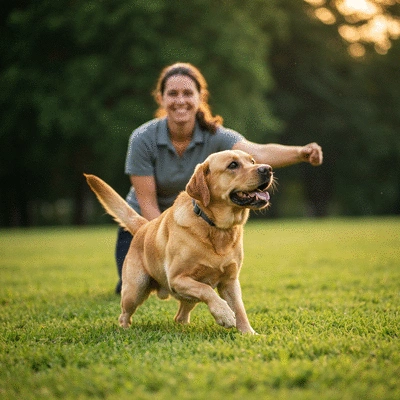
Moving beyond basic commands to advanced training isn't just about having a well-mannered dog; it's about enriching the life of your Labrador. Advanced obedience skills open up new avenues for fun activities, like agility training or even participating in dog sports! You can find more information on breed-specific traits and training tips from organizations like The Labrador Retriever Club, Inc.
- Strengthens your bond with your Labrador
- Enhances your dog's confidence and social skills
- Facilitates better communication between you and your pet
As a dog trainer, I've seen the magic that happens when Labradors learn new skills. They become more engaged and eager to please, making every training session a rewarding adventure. So, let's dive into how you can lay the groundwork for this exciting journey!
Establishing a Foundation: Mastering Basic Commands
The Essential Commands: Sit, Stay, and Come
Before we can leap into advanced techniques, it's crucial that your Labrador masters the basic commands: "sit," "stay," and "come." These commands are the building blocks for everything that follows. A solid foundation ensures your dog understands you, which is essential for more complex training. For detailed guidance on basic obedience, the AKC provides comprehensive advice.
- Sit: A simple but powerful command that helps your Lab learn self-control.
- Stay: This command is vital for safety, keeping your dog in place when needed.
- Come: A recall command that can prevent many potentially dangerous situations.
Once your Labrador has these basics down, they will be better prepared for the advanced commands that await them. Mastering these skills will not only improve their behavior but also boost their confidence!
Milestone Achievements: Timing is Key
Establishing a timeline for mastering basic commands can greatly enhance your training effectiveness. For example, I often recommend focusing on these milestones:
- 3-4 Months: Begin teaching "sit" and "stay."
- 4-5 Months: Introduce "come" during short distances.
- 5-6 Months: Reinforce these commands in various environments.
Setting age-appropriate goals helps you track your Lab's progress and keeps training sessions fun and engaging! Each small victory will motivate you both to continue learning together.
Pro Tip
Did you know? Consistent training sessions of just 5 to 10 minutes can be more effective than longer sessions. Keep your Labrador engaged and focused by breaking up training into short, fun bursts. This way, your furry friend will stay excited and eager to learn, making every session a joyful experience for both of you!
Frequently Asked Questions About Labrador Obedience Training
What is the main benefit of advanced obedience training for Labradors?
Advanced obedience training not only enriches your Labrador's life but also strengthens the bond you share. It allows your dog to respond to cues in various environments, leading to more enjoyable outings and experiences together.
What are the essential basic commands a Labrador should master before advanced training?
Before moving to advanced techniques, it's crucial that your Labrador masters "sit," "stay," and "come." These commands form the fundamental building blocks for all subsequent training.
At what age should I start teaching basic commands like "sit" and "stay"?
It's generally recommended to begin teaching "sit" and "stay" when your Labrador is around 3-4 months old.
Why is distraction training important for my Labrador?
Distraction training is crucial for strengthening your Labrador's obedience in real-world scenarios. It helps your dog generalize commands so they can respond reliably even in busy or stimulating environments.
How often should I train my Labrador?
Consistent training sessions of 5 to 10 minutes, multiple times a day, are often more effective than longer, less frequent sessions. This keeps your Labrador engaged and eager to learn without becoming overwhelmed.
Summarizing the Transition to Advanced Obedience Training
As we wrap up our exploration of transitioning from basic to advanced obedience training for your Labrador, it’s essential to reflect on the major points we've covered. Each stage of this training journey plays a vital role in shaping a well-mannered and happy pup. From mastering basic commands like "sit," "stay," and "come," to implementing advanced techniques such as heeling and recall, every step builds on the last. Remember, this isn't just about commands; it's about strengthening the bond you share with your furry friend!
Here’s a quick recap of the key elements:
- Foundation of Basic Commands: Start with essential commands to create a solid base.
- Advanced Techniques: Introduce heeling and recall as your next steps.
- Distraction Training: Gradually expose your Lab to real-world distractions to strengthen obedience.
- Socialization: Integrate socialization into your training for better behavior in busy environments.
- Consistency: Maintain a routine for effective learning and habit formation.
Encouragement to Continue Learning and Practicing
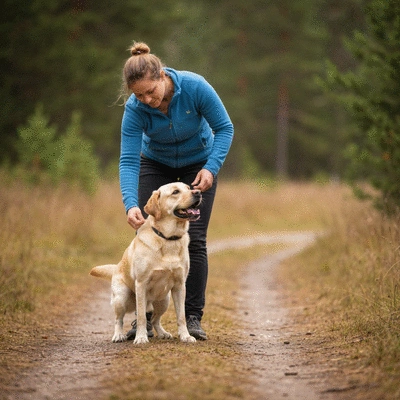
Training your Labrador is truly a journey, and like any journey, there will be ups and downs. It’s important to stay patient and persistent! Remember, your Lab thrives on your encouragement and love. Celebrate each small victory, whether it's a successful "heel" or a solid recall from across the park. These milestones not only boost your dog's confidence but also deepen the connection between you two.
So, don’t hesitate to keep learning—expand your knowledge and skills in dog training! Keep in mind that every session is an opportunity to bond with your Lab and enjoy the experience together. What’s your favorite success story from your training adventures? Share it with fellow Labrador lovers to inspire and encourage one another!
Helpful Resources for Ongoing Training and Support
To support your continued training journey, I’ve compiled a list of valuable resources that can help you and your Labrador grow together:
- Training Videos: YouTube offers a wealth of channels dedicated to dog training. Look for those that focus on positive reinforcement techniques!
- Online Training Courses: Websites like Udemy or Coursera feature courses on advanced dog training that you can complete at your own pace.
- Dog Training Books: Consider picking up books like "The Culture Clash" by Jean Donaldson or "Don't Shoot the Dog!" by Karen Pryor for deeper insights.
- Community Support: Join online forums or local Labrador groups to connect with other owners who share your passion.
Embrace these resources as part of your training toolkit. They will further equip you with the knowledge and techniques necessary for nurturing a well-rounded and obedient Labrador. Remember, at Happy Labrador Life, we believe in empowering you every step of the way! Your dedication to your Lab's training is not just beneficial for them—it enriches your life together, creating countless joyful moments to cherish.
Recap of Key Points
Here is a quick recap of the important points discussed in the article:
- Foundation of Basic Commands: Start with essential commands to create a solid base.
- Advanced Techniques: Introduce heeling and recall as your next steps.
- Distraction Training: Gradually expose your Lab to real-world distractions to strengthen obedience.
- Socialization: Integrate socialization into your training for better behavior in busy environments.
- Consistency: Maintain a routine for effective learning and habit formation.
 Have you ever considered how the products you choose for your Labrador impact their happiness and
 Are you ready to dive into the art of storytelling with your beloved Labrador? Crafting a narrative
 Are you ready to explore the great outdoors with your Labrador? Hiking is not just a fun activity; i

